Mango - Kent Seedling
- Regular price
-
$89.00 - Regular price
-
- Sale price
-
$89.00
Tax included.
Shipping calculated at checkout.
Couldn't load pickup availability
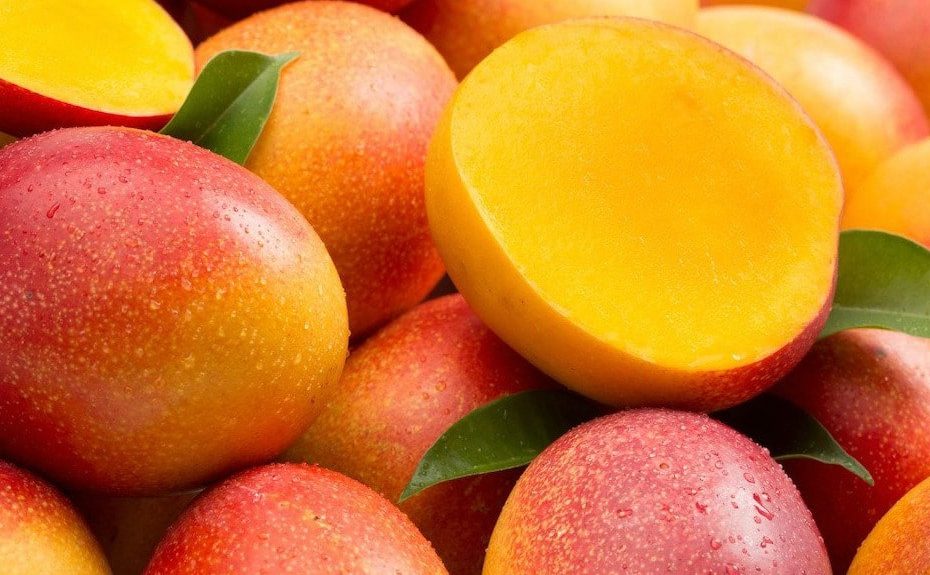
The Kent mango is a popular variety of mango that is known for its large size, sweet flavour, and long shelf life. It is one of the most widely cultivated mango varieties in the world and is grown in many tropical and subtropical regions.
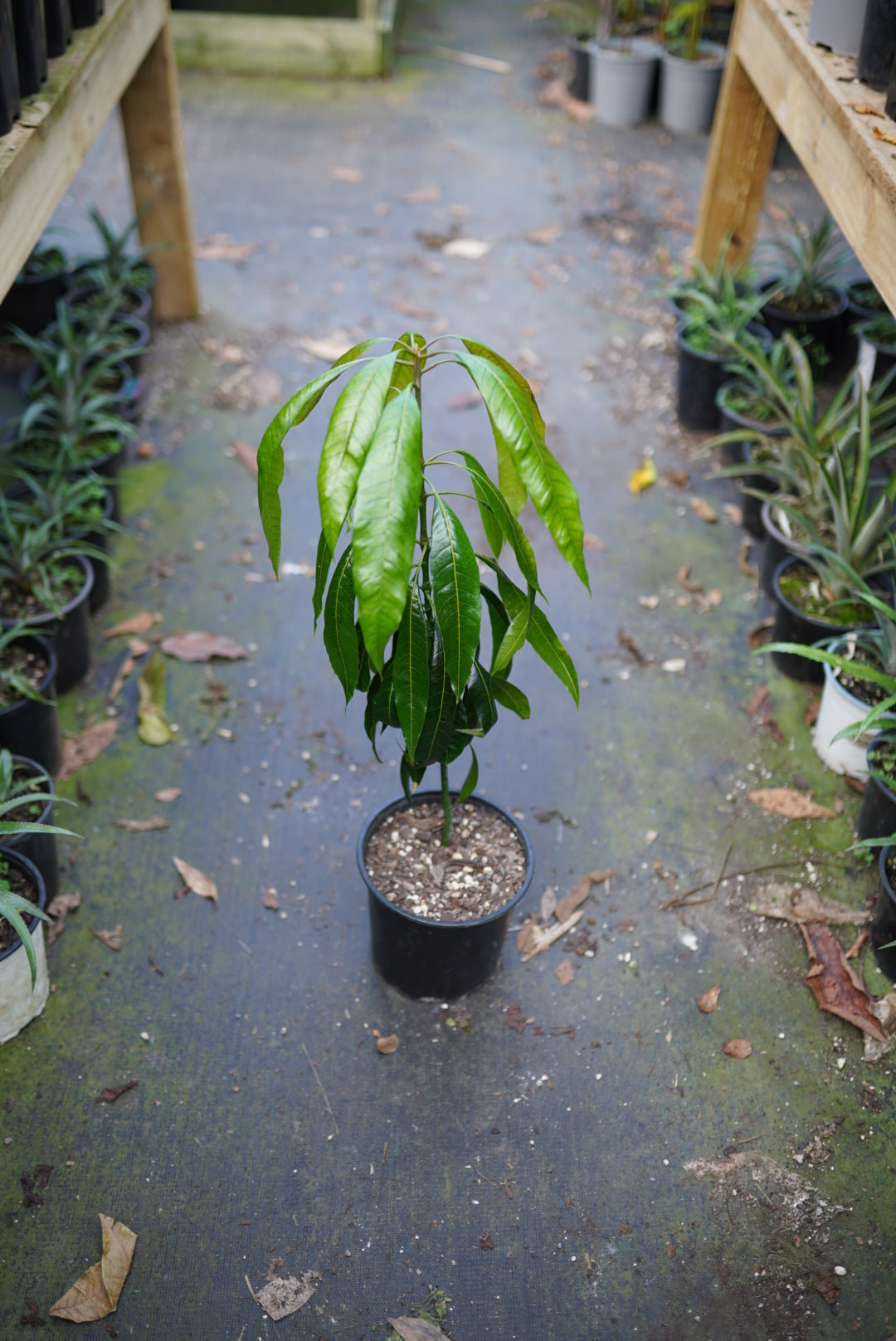
Current stock: 1.5-year-old Kent seedling.
Mango Care Guide for New Zealand
Mangoes are tropical, so NZ is right on the edge of their range. They can fruit outdoors in the warmest frost-free spots (Northland, coastal Bay of Plenty, Gisborne and warm Auckland microclimates), but most growers have more success in a greenhouse, tunnel house or large pot. The keys are warmth, drainage and patience.
Position
- Full sun and shelter: Choose a north-facing spot out of the wind. Planting near a north-facing wall, fence or concrete adds valuable extra heat.
- Frost-free is essential: Young trees are damaged at around 0°C. Avoid low spots where cold air settles.
- Drainage is everything: Cold, wet roots over winter are the number one killer of mangoes in NZ. On clay or heavy soil, plant on a mound or raised bed 40–50 cm high.
Planting
- Plant in late spring to early summer (Nov–Dec) when the soil is warm, so the tree has a full season to settle in before winter. Avoid planting in autumn or winter.
- Mangoes hate root disturbance. Slide the tree gently out of its pot with the root ball intact, don't tease the roots, and plant at the same depth.
- In pots, use a 50 L+ container and free-draining mix. Only repot when fully root-bound, and only in late spring.
Watering & Feeding
- Water deeply and regularly through spring and summer, letting the top few cm dry out between waterings.
- Ease right back in autumn and winter. A cool, dry winter helps trigger flowering, while wet, cold roots rot.
- Feed from spring to late summer with a fruit tree or citrus fertiliser. Stop by the end of February, as late soft growth gets burnt by the cold.
- Go easy on nitrogen once established. Too much gives lots of leaves and few flowers; a potash-rich feed supports flowering and fruit.
- NZ soils are often low in boron and zinc, so an annual trace element or seaweed feed is worthwhile.
Winter Protection (first 3–4 years)
- Cover with frost cloth on cold nights, using a simple frame to keep the cloth off the leaves.
- Mulch the root zone, keeping mulch clear of the trunk.
- Some yellowing or leaf drop in winter is normal. Don't prune cold-damaged branches until spring, when new growth shows what's still alive.
Flowering & Fruit
- Mangoes flower from late winter to spring. Seedling trees usually take 5–8 years to fruit.
- Remove flowers for the first 2–3 years so the tree puts its energy into roots and branches.
- NZ's wet springs bring anthracnose (black spots on flowers, leaves and fruit) and powdery mildew. Spray copper as flower buds swell and again after fruit set; use sulphur for mildew.
- Cold nights during flowering reduce fruit set, which is where a greenhouse really helps. Open greenhouse doors while flowering so flies and other pollinators can get in, and ventilate well in summer heat.
- Fruit usually ripens from late summer into autumn.
Pruning
- Lightly tip-prune after fruiting or in summer to keep the tree compact (2–3 m), bushy and easy to cover. Avoid heavy pruning in autumn and winter.
Quick Troubleshooting
- Brown or black leaf tips: cold damage, or fertiliser/salt burn.
- Black spots on leaves or flowers: anthracnose. Improve airflow and spray copper.
- Yellowing leaves in winter: cold, wet roots. Water less and hold off feeding until spring.
- Scale or mealybug: spray with horticultural oil.