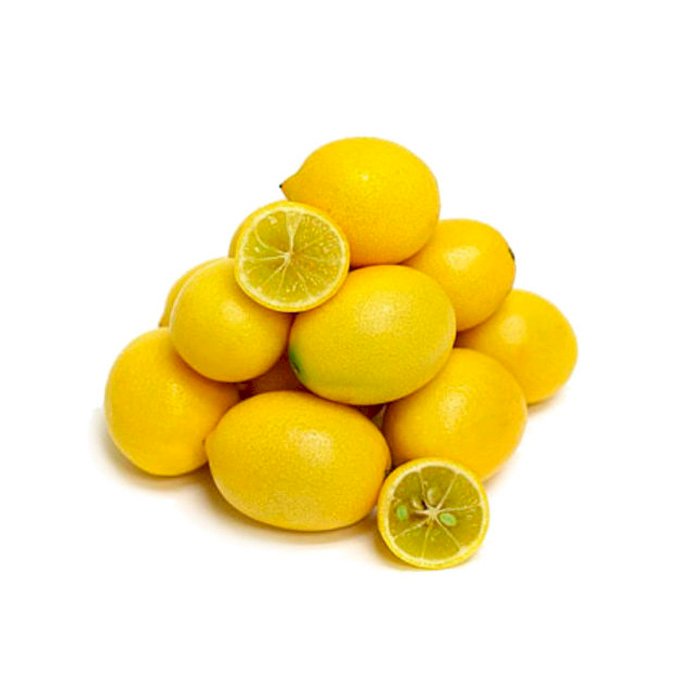
The limequat, a delightful citrus hybrid born from the union of a Key lime and a kumquat, boasts a unique flavor profile and versatility. Imagine a small, oval-shaped fruit, dressed in a yellow-green coat, sometimes blushing orange. Bite into its sweet, edible rind and you're greeted by a delightful blend of lime's tartness and orange's sweetness, with a hint of kumquat-like bitterness. This delicious fruit can be enjoyed whole as a snack, or add its zest to your favorite dishes for a burst of citrusy goodness. Limequats also shine in cocktails, fruit salads, and desserts, and can even be candied for a sweet treat. Beyond its culinary prowess, this easy-to-grow wonder is kind to your health too, offering a generous dose of vitamin C and antioxidants. So, whether you're seeking a refreshing snack, a flavorful ingredient, or a touch of sunshine for your garden, the limequat awaits!
|
Flying Dragon (Dwarf) rootstockCompact tree — full flavour in a fraction of the space
The only true dwarfing rootstock for citrus — stays 1.5–2m, easy to harvest without a ladder
Higher sugar content — produces noticeably sweet, flavourful fruit
Fruit quality equals or surpasses full-size trees
Perfect for pots, containers, balconies and small gardens
Phenomenal cold hardiness — inherits the extreme frost tolerance of the Trifoliata family, making it highly resilient in chilly NZ winters
Introduced to NZ by Flying Dragon Nursery — our signature rootstock for anyone wanting a beautiful, productive citrus tree without needing a big garden.
Rubidoux Trifoliata (Semi Dwarf) rootstockThe finest Trifoliata available in NZ
Far superior to other Trifoliatas on the NZ market — better vigour, better results
Outstanding cold hardiness — in freeze trials Rubidoux showed zero bark splits while other rootstocks suffered significant damage
Higher sugar content — produces sweet, high quality fruit across all citrus varieties
High yielding — produces abundant fruit at maturity
Grows 2.5–3.5m — ideal for open gardens and orchards
Disease resistant and proven across all NZ growing conditions
Rubidoux Trifoliata is the rootstock we trust above all others for open gardens — stronger trees, bigger harvests, and built to last in the NZ climate.
What is a rootstock?
A rootstock is the root system your citrus tree is grafted onto. It controls how big your tree grows, how cold-hardy it is, and how quickly it fruits. The variety you’re buying stays exactly the same — only the tree size and vigour changes.
Which size is right for me?
Flying Dragon (Dwarf)
Pots, balconies or small gardens. Stays 1.5–2m. Easy to manage and harvest.
Rubidoux Trifoliata
Open gardens and orchards. Grows 2.5–3.5m. Higher yield at maturity.
Can I grow citrus in a pot?
Yes — choose Flying Dragon (Dwarf). Use a pot at least 50cm wide with good quality citrus mix and feed regularly through spring and summer.
When will I get fruit?
Our trees are around 2.5 years old and most are already at fruiting stage. We remove flowers and fruit before shipping so your tree puts all its energy into establishing roots first. We recommend removing flowers and fruit in the first season after planting — a little patience means a much bigger harvest from year two onwards.
Watering: Citrus plants should be watered deeply once or twice a week, depending on the soil and weather conditions. Water the plant until the soil is evenly moist, but not waterlogged. Avoid letting the soil dry out completely, as this can cause the leaves to yellow and drop.
Fertilising: Feed citrus plants with a balanced fertiliser (such as a 10-10-10 formula) every month during the growing season (spring and summer). Alternatively, you can use a slow-release fertiliser or a liquid fertiliser. Citrus plants also benefit from the addition of compost or well-rotted manure to the soil.
Pruning: Prune citrus plants to remove dead or damaged branches, and to shape the plant as desired. Pruning also helps to encourage new growth and keep the plant healthy. Use clean, sharp pruning tools to make precise cuts.
Pest control: Keep an eye out for pests such as aphids, mealybugs, and mites, which can damage citrus plants. These pests can be controlled through the use of natural methods such as introducing beneficial insects, or by using pesticides as a last resort
Sunlight: Citrus plants need plenty of sunlight to grow and produce fruit. In most cases, a location with 6-8 hours of direct sunlight per day is ideal.
Soil: Citrus plants prefer well-draining, slightly acidic soil with a pH of 6.0-6.5. If your soil is not suitable, you can improve it by adding compost or peat moss to increase the organic matter content.
Pollination: Citrus plants are self-pollinating, which means that they do not need to be pollinated by another plant in order to produce fruit. However, the presence of bees and other pollinators can help to improve the quality and quantity of fruit. To attract pollinators, consider planting flowering plants near your citrus trees.
Temperature: Citrus plants thrive in warm temperatures and can tolerate a wide range of temperatures, as long as they are protected from frost.
Mulching: Mulch around the base of your citrus plant to help retain moisture and suppress weeds. Use a mulch that is well-draining, such as wood chips or pine needles. Avoid using a mulch that is too thick, as this can prevent water and air from reaching the roots.
Pruning for fruit production: To encourage fruit production, prune your citrus plant to allow for good air circulation and sunlight penetration. Remove any branches that are crossing or rubbing against each other, as well as any branches that are diseased or damaged.
Pesticide use: If you need to use pesticides on your citrus plant, be sure to follow the instructions on the label carefully. Wear protective clothing, such as gloves and a mask, to avoid exposure. Avoid applying pesticides when pollinators are present, and wash your hands thoroughly after handling pesticides.