


Lemon - Villa Franca - Cold hardy variety
- Regular price
-
$42.99 - Regular price
-
- Sale price
-
$42.99
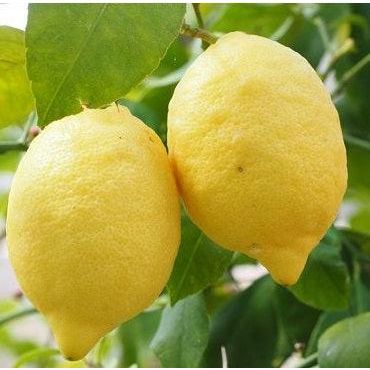
Villa Franca is a true lemon of Sicilian origin, and one of the most dependable choices for a New Zealand garden. It carries large, juicy fruit with a sharp, classic lemon flavour and very few seeds — the sort of lemon that's perfect for lemon and honey drinks in winter, marmalade, preserved lemons, or a squeeze over just about anything.
Cold hardy. Villa Franca handles the cold better than most true lemons, which is why it does well in most parts of New Zealand, not just the warmer north. Like all citrus it still appreciates a sheltered, sunny spot, and young trees are worth protecting through their first couple of winters.
A well-clothed tree. One of Villa Franca's best features is its dense, leafy canopy. The heavy foliage shades the fruit and shelters it from wind and sunburn, which means cleaner-skinned lemons and a tree that looks good year-round. It's naturally vigorous and bushy, and a little thorny while young — the thorns settle down as the tree matures.
Ripens: April to July.
Choosing your rootstock
Flying Dragon (Dwarf) — the more compact of the two. A good pick for pots, courtyards, small gardens, or anywhere you want to keep the whole tree within easy picking reach.
Rubidoux Trifoliata (Semi Dwarf) — a little more vigour and size. Better suited to open-ground planting where you'd like a larger tree and a heavier crop over time.
Both are cold hardy trifoliata rootstocks that suit New Zealand conditions well.
Growing tips
- Full sun, with shelter from cold wind.
- Free-draining soil — citrus hate wet feet. Plant on a mound if drainage is doubtful.
- Water regularly through spring and summer, especially while the fruit is sizing up.
- Feed with a citrus fertiliser in spring and again in late summer.
- Keep the base clear of grass and weeds, and mulch, leaving a gap around the trunk.
- Prune lightly, just to shape and open up the centre. Villa Franca doesn't need much.
Supplied as a grafted tree on your choice of rootstock.
Couldn't load pickup availability
Citrus Care Tips
|
Watering: Citrus plants should be watered deeply once or twice a week, depending on the soil and weather conditions. Water the plant until the soil is evenly moist, but not waterlogged. Avoid letting the soil dry out completely, as this can cause the leaves to yellow and drop. |
|
Fertilising: Feed citrus plants with a balanced fertiliser (such as a 10-10-10 formula) every month during the growing season (spring and summer). Alternatively, you can use a slow-release fertiliser or a liquid fertiliser. Citrus plants also benefit from the addition of compost or well-rotted manure to the soil. |
|
Pruning: Prune citrus plants to remove dead or damaged branches, and to shape the plant as desired. Pruning also helps to encourage new growth and keep the plant healthy. Use clean, sharp pruning tools to make precise cuts. |
|
Pest control: Keep an eye out for pests such as aphids, mealybugs, and mites, which can damage citrus plants. These pests can be controlled through the use of natural methods such as introducing beneficial insects, or by using pesticides as a last resort |
|
Sunlight: Citrus plants need plenty of sunlight to grow and produce fruit. In most cases, a location with 6-8 hours of direct sunlight per day is ideal. |
|
Soil: Citrus plants prefer well-draining, slightly acidic soil with a pH of 6.0-6.5. If your soil is not suitable, you can improve it by adding compost or peat moss to increase the organic matter content. |
|
Pollination: Citrus plants are self-pollinating, which means that they do not need to be pollinated by another plant in order to produce fruit. However, the presence of bees and other pollinators can help to improve the quality and quantity of fruit. To attract pollinators, consider planting flowering plants near your citrus trees. |
|
Temperature: Citrus plants thrive in warm temperatures and can tolerate a wide range of temperatures, as long as they are protected from frost. |
|
Mulching: Mulch around the base of your citrus plant to help retain moisture and suppress weeds. Use a mulch that is well-draining, such as wood chips or pine needles. Avoid using a mulch that is too thick, as this can prevent water and air from reaching the roots. |
|
Pruning for fruit production: To encourage fruit production, prune your citrus plant to allow for good air circulation and sunlight penetration. Remove any branches that are crossing or rubbing against each other, as well as any branches that are diseased or damaged. |
| Pesticide use: If you need to use pesticides on your citrus plant, be sure to follow the instructions on the label carefully. Wear protective clothing, such as gloves and a mask, to avoid exposure. Avoid applying pesticides when pollinators are present, and wash your hands thoroughly after handling pesticides. |

View our full range of Citrus Trees NZ here.