Flying Dragon (Dwarf) rootstockCompact tree — full flavour in a fraction of the space
The only true dwarfing rootstock for citrus — stays 1.5–2m, easy to harvest without a ladder
Higher sugar content — produces noticeably sweet, flavourful fruit
Fruit quality equals or surpasses full-size trees
Perfect for pots, containers, balconies and small gardens
Phenomenal cold hardiness — inherits the extreme frost tolerance of the Trifoliata family, making it highly resilient in chilly NZ winters
Introduced to NZ by Flying Dragon Nursery — our signature rootstock for anyone wanting a beautiful, productive citrus tree without needing a big garden.
Rubidoux Trifoliata (Semi Dwarf) rootstockThe finest Trifoliata available in NZ
Far superior to other Trifoliatas on the NZ market — better vigour, better results
Outstanding cold hardiness — in freeze trials Rubidoux showed zero bark splits while other rootstocks suffered significant damage
Higher sugar content — produces sweet, high quality fruit across all citrus varieties
High yielding — produces abundant fruit at maturity
Grows 2.5–3.5m — ideal for open gardens and orchards
Disease resistant and proven across all NZ growing conditions
Rubidoux Trifoliata is the rootstock we trust above all others for open gardens — stronger trees, bigger harvests, and built to last in the NZ climate.
What is a rootstock?
A rootstock is the root system your citrus tree is grafted onto. It controls how big your tree grows, how cold-hardy it is, and how quickly it fruits. The variety you’re buying stays exactly the same — only the tree size and vigour changes.
Which size is right for me?
Flying Dragon (Dwarf)
Pots, balconies or small gardens. Stays 1.5–2m. Easy to manage and harvest.
Rubidoux Trifoliata
Open gardens and orchards. Grows 2.5–3.5m. Higher yield at maturity.
Can I grow citrus in a pot?
Yes — choose Flying Dragon (Dwarf). Use a pot at least 50cm wide with good quality citrus mix and feed regularly through spring and summer.
When will I get fruit?
Our trees are around 2.5 years old and most are already at fruiting stage. We remove flowers and fruit before shipping so your tree puts all its energy into establishing roots first. We recommend removing flowers and fruit in the first season after planting — a little patience means a much bigger harvest from year two onwards.
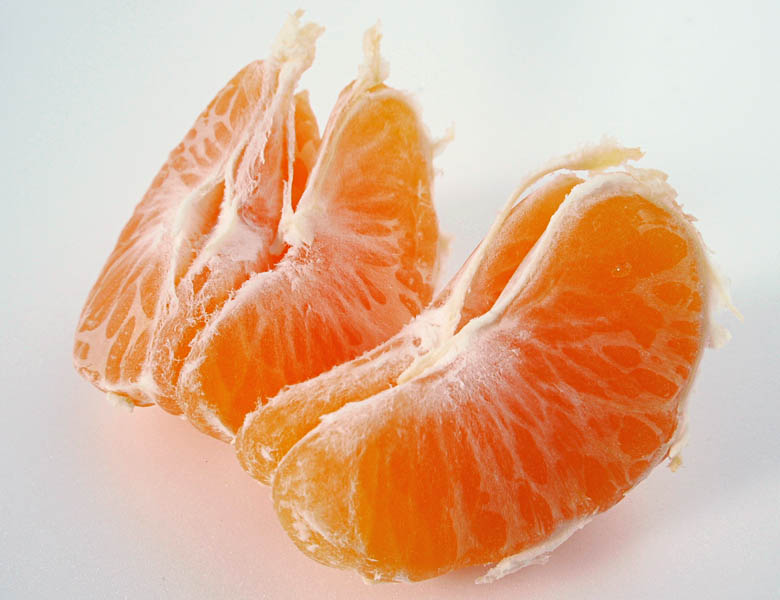
Ishikawa is a Satsuma type, that produces easy to peel, seedless, juicy mandarins in winter. The tree is a very heavy cropper, and should be thinned in the first few years of planting to help the tree establish. This variety is a great option if youre a lover of Satsumas, to extend your season from the earlier ripening satsumas, through into winter.