


FDN-M2 Mango (Grafted)
- Regular price
-
$249.00 - Regular price
-
- Sale price
-
$249.00
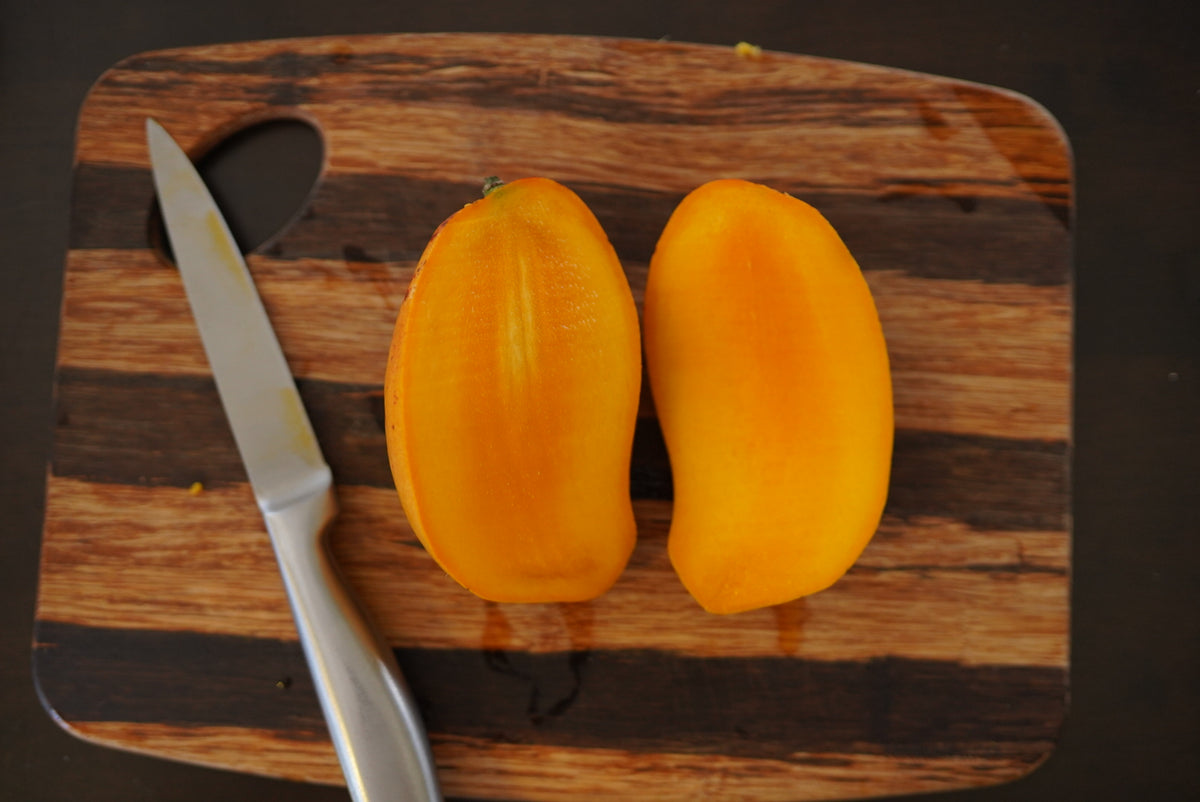
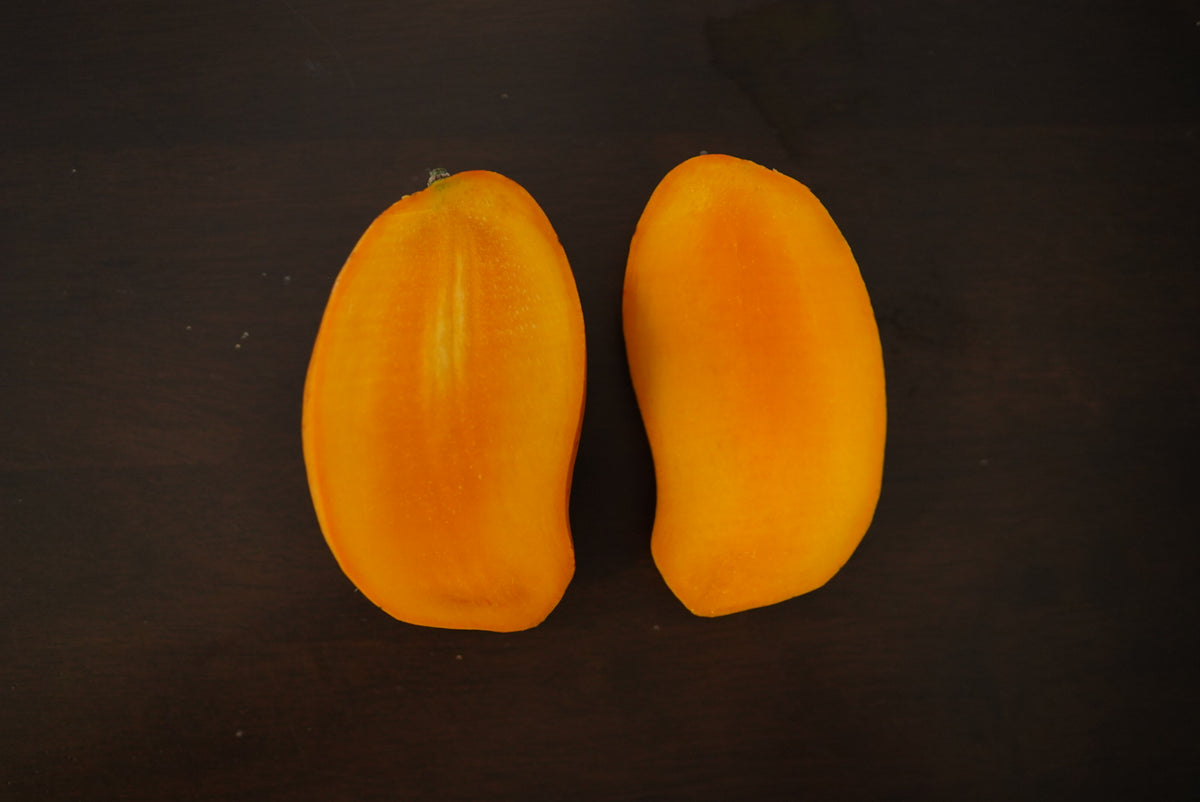
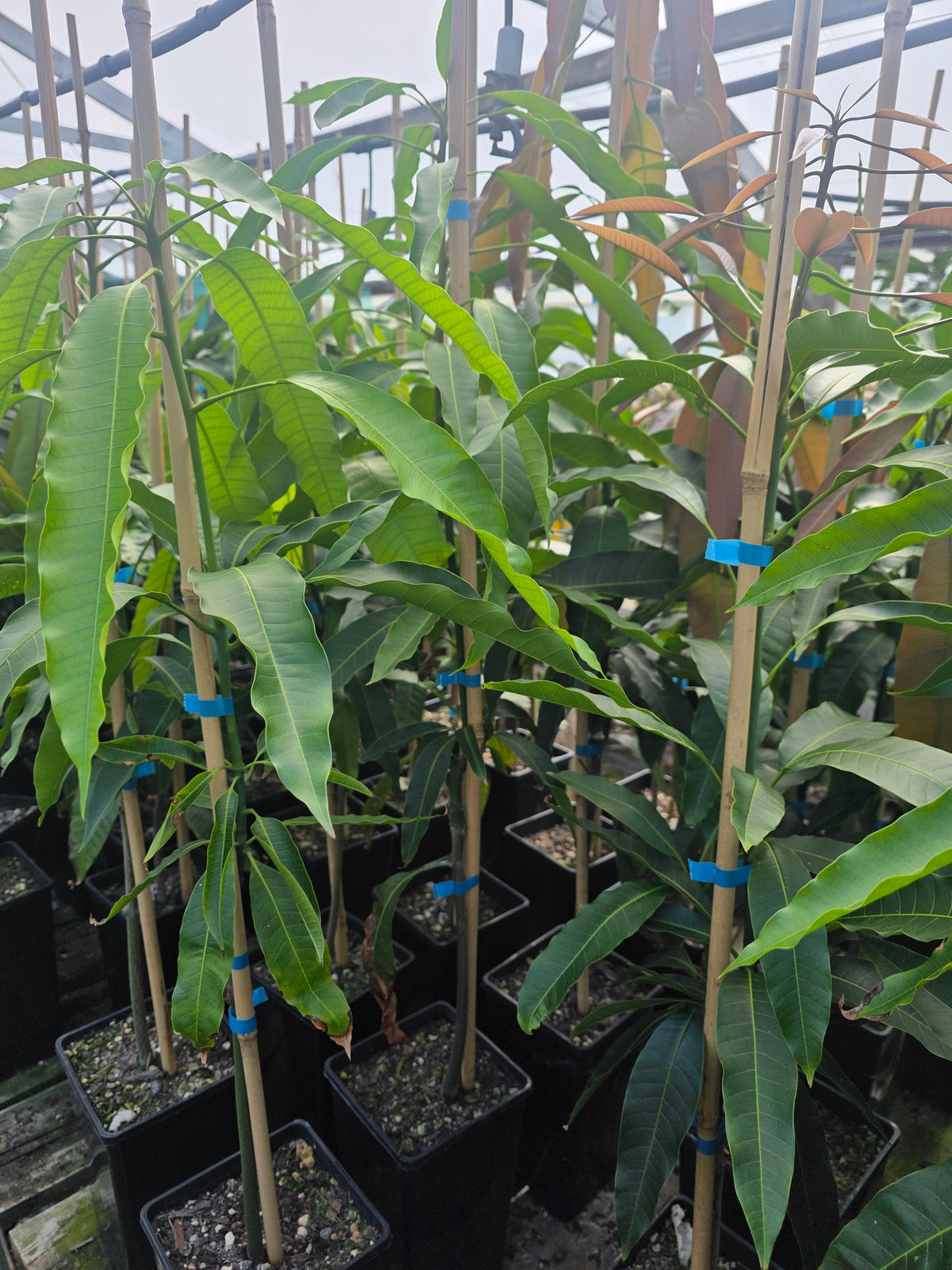
FDN-M2 is a grafted mango tree from Flying Dragon Nursery in Kerikeri, Northland, selected for the two things every home grower wants: heavy crops and very sweet fruit. It's a strong, vigorous grower and a very prolific fruiter.
Every FDN-M2 tree is grafted from our selected parent tree, so it carries the same traits.
Flowers and sets fruit young: Our young FDN-M2 trees already flowered heavily for us this spring, and some even set small fruit.

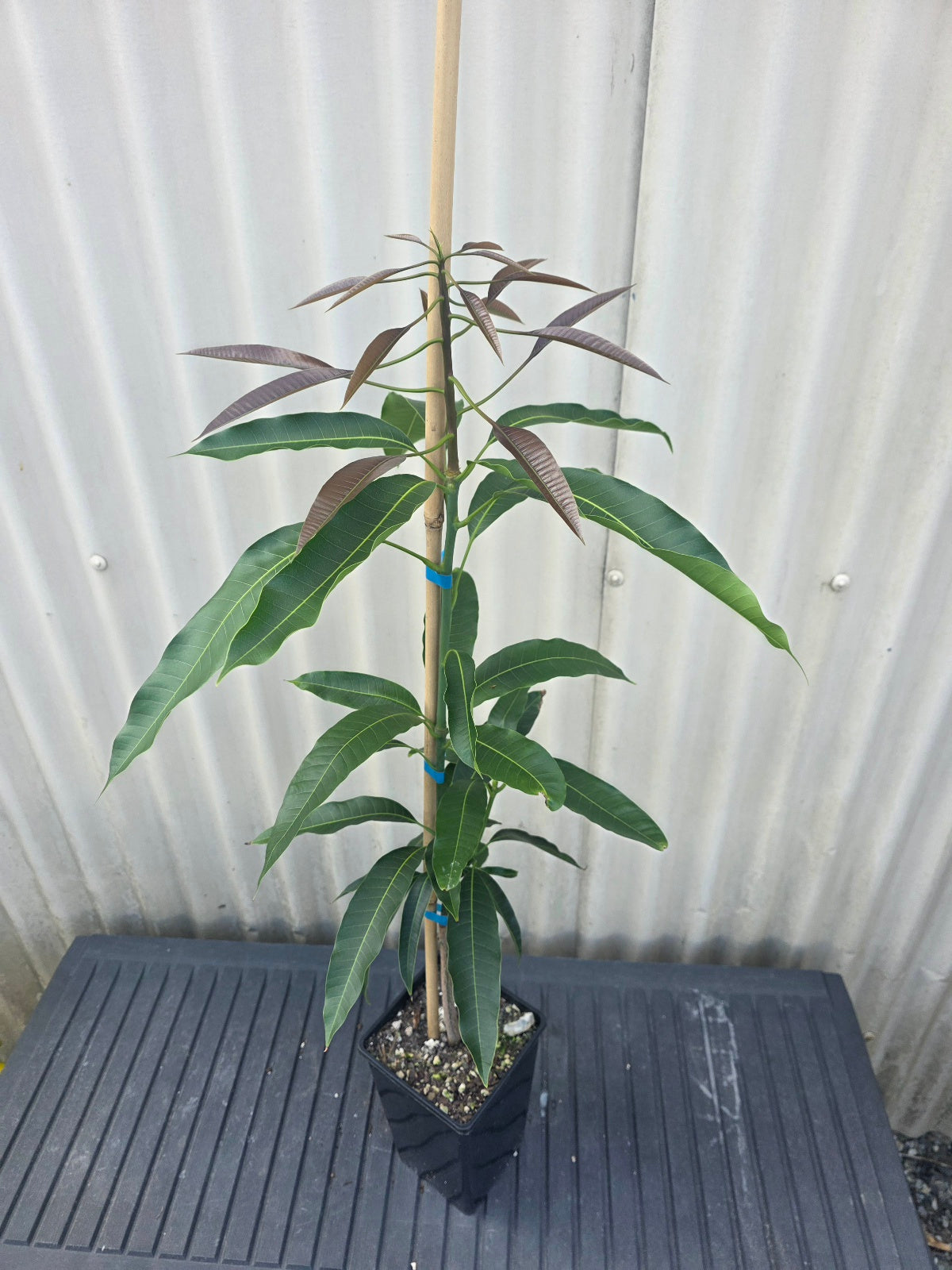
A young FDN-M2 tree this spring.
We take the flowers off for this year so the tree can put its energy into growth, so the tree you receive won't have any flowers or flower buds. We only choose the most productive varieties, so thinning is very important while the tree is young. Next year the tree will be much bigger, and you can leave some fruit on to ripen.
Mango Care Guide for New Zealand
Mangoes are tropical, so NZ is right on the edge of their range. We strongly recommend growing FDN-M2 in a greenhouse or tunnel house. Mangoes can fruit outdoors in the warmest frost-free spots (Northland, coastal Bay of Plenty, Gisborne and warm Auckland microclimates), but trees planted out in cold, wet or exposed sites often struggle or die. The keys are warmth, drainage and patience.
Where to Grow
- Greenhouse or tunnel house (best): Gives mangoes the warmth, frost protection and dry winter roots they need, and helps fruit set when spring nights are cold. Ventilate well in summer heat.
- Large pot: A 50 L+ container of free-draining mix lets you move the tree under cover for winter.
- Outdoors (warm areas only): Choose a sunny, north-facing spot out of the wind. Planting near a north-facing wall, fence or concrete adds valuable extra heat. Avoid low spots where cold air settles.
- Frost-free is essential: Young trees are damaged at around 0°C.
- Drainage is everything: Cold, wet roots over winter are the number one killer of mangoes in NZ. On clay or heavy soil, plant on a mound or raised bed 40–50 cm high.
Planting
- Plant in late spring to early summer (Nov–Dec) when the soil is warm, so the tree has a full season to settle in before winter. Avoid planting in autumn or winter.
- Mangoes hate root disturbance. Slide the tree gently out of its pot with the root ball intact, don't tease the roots, and plant at the same depth.
- Keep the graft union above soil level, and rub off any shoots that grow from below the graft, as these come from the rootstock.
- In pots, only repot when fully root-bound, and only in late spring.
Watering & Feeding
- Water deeply and regularly through spring and summer, letting the top few cm dry out between waterings.
- Ease right back in autumn and winter. A cool, dry winter helps trigger flowering, while wet, cold roots rot.
- Feed from spring to late summer with a fruit tree or citrus fertiliser. Stop by the end of February, as late soft growth gets burnt by the cold.
- Go easy on nitrogen once established. Too much gives lots of leaves and few flowers; a potash-rich feed supports flowering and fruit.
- NZ soils are often low in boron and zinc, so an annual trace element or seaweed feed is worthwhile.
Winter Protection (first 3–4 years)
- Outdoors, cover with frost cloth on cold nights, using a simple frame to keep the cloth off the leaves.
- Mulch the root zone, keeping mulch clear of the trunk.
- Some yellowing or leaf drop in winter is normal. Don't prune cold-damaged branches until spring, when new growth shows what's still alive.
Flowering & Fruit
- Mangoes flower from late winter to spring.
- Remove flowers for the first year so the tree puts its energy into roots and branches.
- NZ's wet springs bring anthracnose (black spots on flowers, leaves and fruit) and powdery mildew. Spray copper as flower buds swell and again after fruit set; use sulphur for mildew.
- Cold nights during flowering reduce fruit set, which is where a greenhouse really helps. Open greenhouse doors while flowering so flies and other pollinators can get in.
- Fruit usually ripens from late summer into autumn. Cropping depends on tree age and growing conditions.
Pruning
- Lightly tip-prune after fruiting or in summer to keep the tree compact (2–3 m), bushy and easy to cover. Avoid heavy pruning in autumn and winter.
Quick Troubleshooting
- Brown or black leaf tips: cold damage, or fertiliser/salt burn.
- Black spots on leaves or flowers: anthracnose. Improve airflow and spray copper.
- Yellowing leaves in winter: cold, wet roots. Water less and hold off feeding until spring.
- Scale or mealybug: spray with horticultural oil.
Mangifera indica 'FDN-M2'
Couldn't load pickup availability
Citrus Care Tips
|
Watering: Citrus plants should be watered deeply once or twice a week, depending on the soil and weather conditions. Water the plant until the soil is evenly moist, but not waterlogged. Avoid letting the soil dry out completely, as this can cause the leaves to yellow and drop. |
|
Fertilising: Feed citrus plants with a balanced fertiliser (such as a 10-10-10 formula) every month during the growing season (spring and summer). Alternatively, you can use a slow-release fertiliser or a liquid fertiliser. Citrus plants also benefit from the addition of compost or well-rotted manure to the soil. |
|
Pruning: Prune citrus plants to remove dead or damaged branches, and to shape the plant as desired. Pruning also helps to encourage new growth and keep the plant healthy. Use clean, sharp pruning tools to make precise cuts. |
|
Pest control: Keep an eye out for pests such as aphids, mealybugs, and mites, which can damage citrus plants. These pests can be controlled through the use of natural methods such as introducing beneficial insects, or by using pesticides as a last resort |
|
Sunlight: Citrus plants need plenty of sunlight to grow and produce fruit. In most cases, a location with 6-8 hours of direct sunlight per day is ideal. |
|
Soil: Citrus plants prefer well-draining, slightly acidic soil with a pH of 6.0-6.5. If your soil is not suitable, you can improve it by adding compost or peat moss to increase the organic matter content. |
|
Pollination: Citrus plants are self-pollinating, which means that they do not need to be pollinated by another plant in order to produce fruit. However, the presence of bees and other pollinators can help to improve the quality and quantity of fruit. To attract pollinators, consider planting flowering plants near your citrus trees. |
|
Temperature: Citrus plants thrive in warm temperatures and can tolerate a wide range of temperatures, as long as they are protected from frost. |
|
Mulching: Mulch around the base of your citrus plant to help retain moisture and suppress weeds. Use a mulch that is well-draining, such as wood chips or pine needles. Avoid using a mulch that is too thick, as this can prevent water and air from reaching the roots. |
|
Pruning for fruit production: To encourage fruit production, prune your citrus plant to allow for good air circulation and sunlight penetration. Remove any branches that are crossing or rubbing against each other, as well as any branches that are diseased or damaged. |
| Pesticide use: If you need to use pesticides on your citrus plant, be sure to follow the instructions on the label carefully. Wear protective clothing, such as gloves and a mask, to avoid exposure. Avoid applying pesticides when pollinators are present, and wash your hands thoroughly after handling pesticides. |

View our full range of Citrus Trees NZ here.