

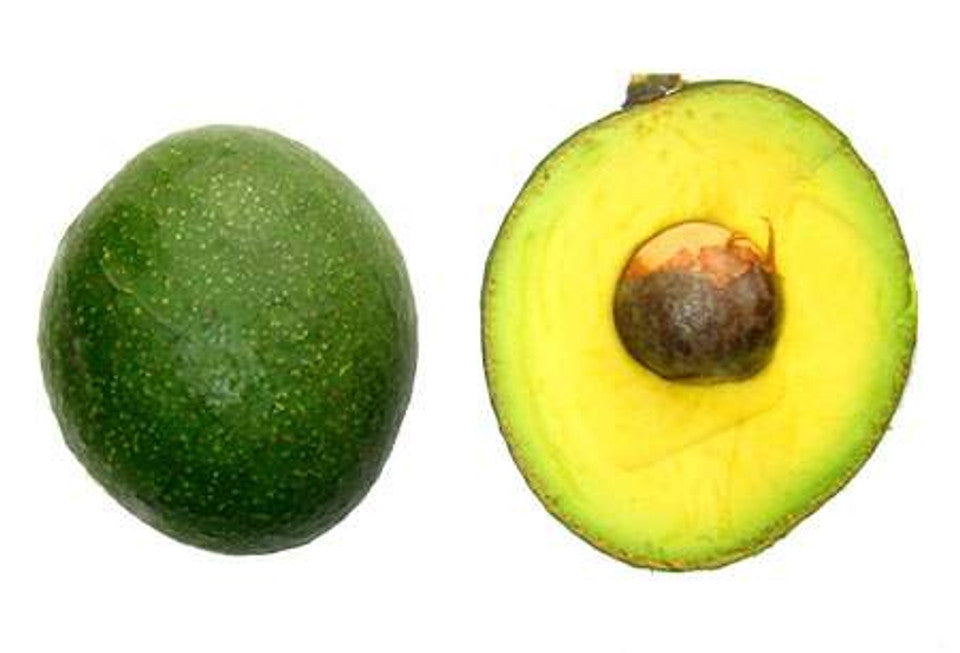
Avocado - Hashimoto - Autumn ripening
- Regular price
-
$99.00 - Regular price
-
- Sale price
-
$99.00
Couldn't load pickup availability
Produces large round avocados that are larger than Hass, creamy, buttery, and have a good flavour. It is a B flowering type so a great pollinator for any of the A types. The harvest season is April to July, when there are not many other good avocados ready. This is the exact months Hass is not in season. The tree can be kept smaller by light pruning after fruit harvest.
- Flower Type: B
- Colour when ripe: Green
- Fruit shape: Round
- Fruit size: Large
- Seed size: small-medium
- Fruit quality/taste: Good, buttery
- Harvest season: Autumn
- Type: Guatemalan
- Origin: Hawaii
Our trees are grafted and will begin flowering in spring. Avocado trees in our climate are self fertile, but produce far more fruit if 2 are planted near each other with opposing flower types. In this case, best planted with a Reed, Hass, Esther, Pinkerton, Mexicola or Mexicola Grande
Avocado care guide
Just arrived? Keep your tree in a sheltered, semi-shaded spot for 2–4 weeks before planting. See our acclimation guide.
1. Drainage is everything
More avocados die from wet roots (Phytophthora root rot) than anything else. Plant on a mound 40–60 cm high (go higher on heavy clay) using a free-draining mix. Never dig a hole into clay; it fills with water like a bucket. Keep the graft union above the soil.
2. Water the root ball, not the calendar
For the first year, the root ball dries out faster than the soil around it. Check 5 cm down and water deeply only when it's dry. In summer that's usually once or twice a week, more often on sandy soil or in a heatwave. In winter, you'll barely need to water.
3. Mulch thick, but keep it off the trunk
Put 10–15 cm of coarse wood chip or bark out to the drip line, with a 10 cm gap around the trunk. Avocado feeder roots are shallow, so don't dig or plant anything around the base, and keep lawn well away.
4. Feed little and often
Give small feeds of a balanced fertiliser (one with zinc and boron) in spring, summer and early autumn. Don't feed in winter. Spread it at the drip line, keep it 40 cm from the trunk, and water it in.
5. Shelter young trees for 2–3 years
Use windbreak cloth in exposed spots and frost cloth when frost is forecast (young trees are damaged around -1 to -2°C). Paint exposed trunks with white water-based paint diluted 50:50 to prevent sunburn.
6. Let the tree grow before it fruits
Pick off any fruit in the first 1–2 years so the tree puts its energy into branches and roots. Only prune to remove dead wood or keep the tree in shape.
What's normal (don't panic)
- Old leaves dropping in spring: normal. Avocados shed old leaves as they flower and push new growth.
- Brown, crispy leaf tips: usually salt or fertiliser burn, or dry roots. Flush with a deep watering and ease off on feeding.
- Most flowers and tiny fruit dropping: normal. Avocados produce thousands of flowers and set only a few.
- Yellowing leaves and wilting in wet soil: a root rot warning sign. Stop watering and check drainage.
Want more detail? Read our full Avocado Tree Care Guide or planting in clay soil.
